


Perimenopause
& Cortisol.
Why the hormonal shift of perimenopause makes cortisol dysregulation worse — and what the research says about addressing it before it becomes a decade-long problem.
Perimenopause doesn't just change your hormones. It changes how your body responds to cortisol.
Perimenopause is not a single event — it is a 7-to-10-year hormonal transition that begins, on average, in the early-to-mid 40s. During this window, the decline of progesterone and the erratic fluctuation of estrogen fundamentally alter how the hypothalamic-pituitary-adrenal (HPA) axis — the body's cortisol regulation system — responds to stress.
The result is not simply "more stress." It is a structural change in cortisol sensitivity that makes the same stressors produce larger, longer cortisol spikes than they did a decade earlier. This is why many women notice a sudden change in how they handle stress, sleep, and body composition in their 40s — even when their life circumstances haven't changed.
"The decline of progesterone during perimenopause removes one of the body's primary cortisol buffers. What remains is an HPA axis that is structurally more reactive — not because of psychological changes, but because of the loss of a key hormonal counterweight."
— Methodic Bio Clinical Review, 2026How perimenopause amplifies cortisol dysregulation.
Click each mechanism to expand.
Cortisol-driven vs. estrogen-driven symptoms.
Most perimenopausal symptoms are attributed to estrogen. Many are actually cortisol-driven — and respond to cortisol management, not hormone replacement.
What the research supports for perimenopausal cortisol management.
The following protocol is based on the clinical evidence reviewed across 76 studies. It is not a replacement for medical care — it is the evidence-based foundation for cortisol management during the perimenopausal transition.
Formulated for the cortisol load of the perimenopausal transition.
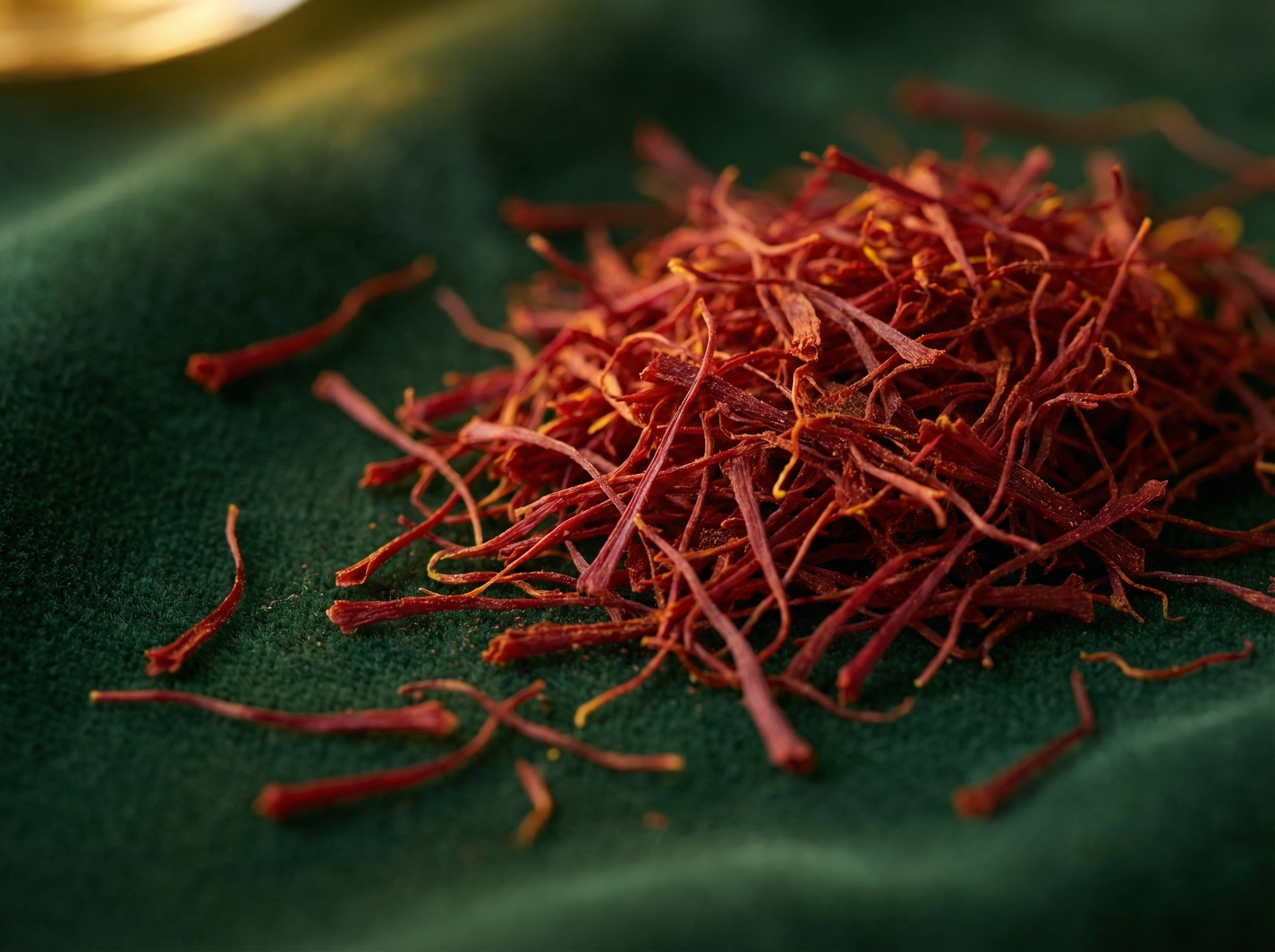
Affron® 88.5mg · KSM-66® 300mg · Magnesium Glycinate 200mg · BioPerine® 5mg. Clinical dose. Third-party tested.